You must have routine sanitation based upon potential hazards, operational volume, allergen concerns, and health inspections, plus documented records supporting food safety protocols, inspection results, and government health requirements. The information below detail critical cleaning system elements.
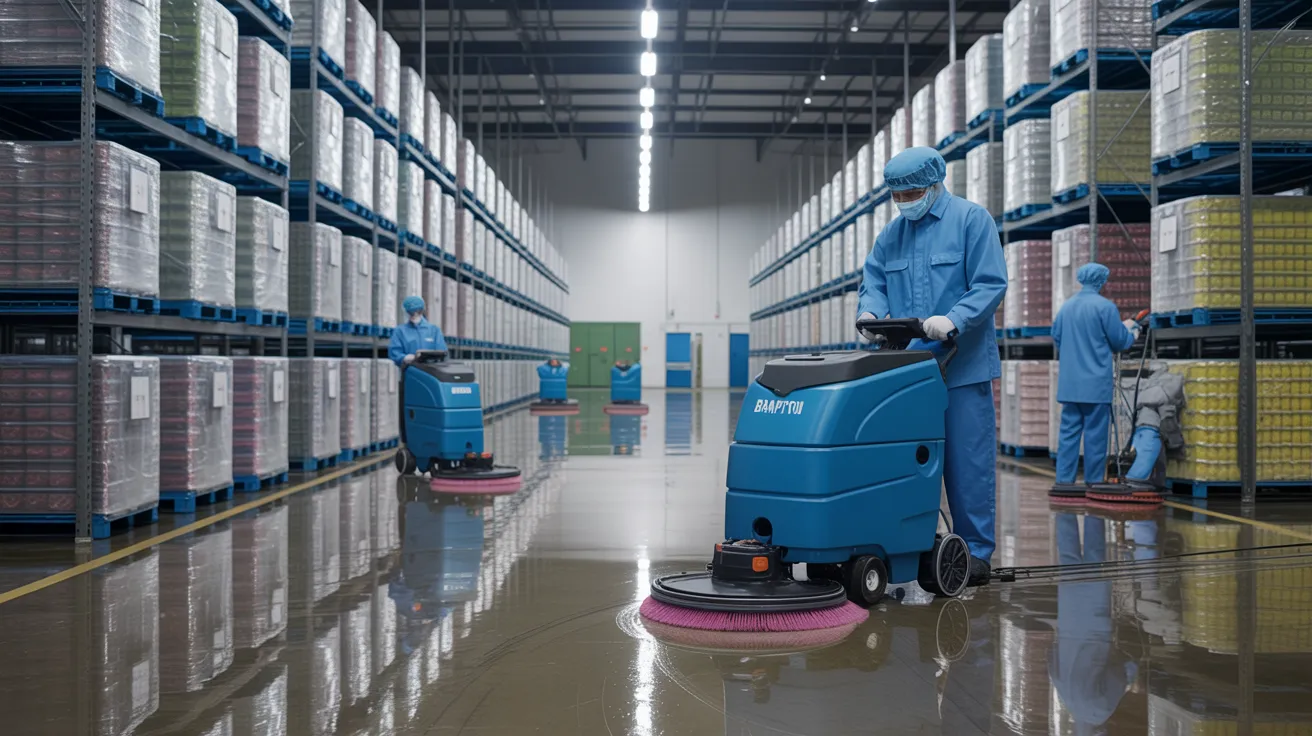
Essential Summary
- Sanitation professionals from Brampton service restaurants, grocery departments, commissaries, warehouses, bakeries, schools, mobile vendors, and allergen-sensitive operations.
- Cross-contamination elimination is accomplished by treating high-touch surfaces, food-contact equipment, kitchens, floors, drains, restrooms, and storage areas with sectional methods.
- Confirmation of proper chemical concentration, suitability, and contact time is performed by qualified vendors, with conclusion recorded using swabs, inspections, and correction logs.
- Sound sanitation calendars factor in hazard, throughput, changeovers, accidents, and requirements when allocating everyday, regular, and cyclical tasks by area.
- Contractors must possess hazard analysis knowledge, public-health expertise, WHMIS training, insurance, references, color-categorized equipment, and compliance-ready hygiene records.
Which Brampton Facilities Need Food Safety Cleaning?
Food safety cleaning is necessary for any Brampton facility that processes, stores, prepares, packages, or serves food. Apply it to your facility if it meets the criteria for public health review, food regulations, or HACCP protocols. This includes food service venues, employee dining, supply facilities, retail sections, butcheries, seafood counters, retail shops, and facility kitchens.
You'll additionally need compliant food safety cleaning in supply facilities, manufacturing operations, cold storage warehouses, bakeries, school food programs, reception halls, and delivery services. Portable business models count as well, like food trucks, festival vendors, and pop-up establishments. If your employees work with ingredients, section ready-to-serve foods, heat meals, or keep allergens stored, your venue requires documented cleaning protocols. In Brampton, sanitation is mandatory; it represents lawful, operational, and customer protection standards.
What Do Brampton Cleaning Professionals Handle?
You require experienced cleaning professionals who sanitize frequently touched areas, cooking areas, flooring, and bathrooms to maintain food safety and public health requirements. These locations are prioritized because they carry the greatest contamination risk, slip and fall dangers, and regulatory breaches.
If you grasp what they sanitize, you'll successfully ensure your operation satisfies required operational and regulatory standards.
High-Touch Surface Cleaning
organize disinfection schedules according to usage patterns, exposure levels, and facility operations.
confirm effective cleaning
Food Prep Areas, Flooring, and Sanitary Facilities
Professional cleaners in Brampton prioritize kitchens, floors, and restrooms given that each location involves specific food safety, slip-and-fall, and health code requirements. In industrial kitchens, you need degreasing on cook lines, equipment exteriors, drains, prep surfaces, and splash zones to minimize bacterial growth and pest activity.
Floor care that is recorded should also be anticipated. Technicians clean and remove buildup from tile grout, ceramic surfaces, and vinyl floors, then apply appropriate drying controls so you can limit falls and meet regulatory standards. They also handle entryways where moisture and debris migrate indoors.
Restroom cleaning requires disinfecting touchpoints, fixtures, partitions, dispensers, and waste containers, restocking supplies and controlling odours. They also service restaurant moprooms, where chemical storage, sink hygiene, and drainage conditions can affect sanitation compliance and staff safety daily.
Food Safety Cleaning Significance for Brampton Businesses
Brampton businesses need to implement proper sanitation practices for meeting legal standards and passing inspections. You also reduce bacterial spread through proper cleaning of food-preparation surfaces, appliances, and frequently-touched items. Most importantly, you safeguard public health by lowering the risk of foodborne illness in your facility.
Food Safety Regulations
Food establishments in Brampton face mandatory safety protocols, making food safety cleaning vital to adhering to health code requirements, defending patrons, and sidestepping enforcement action. You must maintain sanitary food-contact surfaces, recorded sanitation plans, appropriate product handling, and auditable operational standards that comply with municipal and provincial inspection expectations.
When inspectors evaluate your operation, they evaluate whether your cleaning program supports secure product handling, appliance cleanliness, garbage disposal, and washroom maintenance.
Contamination Prevention
Maintaining regulatory compliance copyrights on your power to stop cross-contamination during everyday food preparation and sanitation. You must separate raw ingredients from ready-to-eat foods, sterilize work zones between assignments, and position cleaning agents away from food surfaces. Explicit protocols lower contamination threats and support consistent compliance during inspections.
You should establish allergen separation to keep priority allergens from contacting common work areas, storage bins, or tools. Use dedicated cutting boards, color-coded tools, and strict utensil labeling so employees avoid connected information combining products throughout cooking or serving. Require handwashing after handling uncooked proteins, shellfish, egg items, or allergen products. Replace wiping cloths regularly, and verify sanitizer strength with test strips. When staff members receive training on these procedures each work period, you build a more hygienic, secure workplace that satisfies Brampton's safety standards consistently.
Public Wellness Protection
Should cleaning standards break, you don't simply risk a failed inspection—you increase the potential of foodborne illness impacting customers, staff, and the wider Brampton community. You also undermine your responsibility in safeguarding community wellness, especially in high-traffic food premises where pathogens travel quickly through surfaces, equipment, and touchpoints.
You need cleaning protocols that eliminate contaminants, disinfect properly, and verify results. That requires adhering to contact times, employing authorized sanitizers, documenting schedules, and training staff to meet health-unit expectations. These controls support disease prevention by lowering microbial loads before they contaminate surfaces or food. In Brampton, rigorous cleaning shields at-risk groups, limits outbreak potential, and enables you to show due diligence. When you clean to standard, you don't just meet regulations—you actively reduce risk and promote secure food handling citywide.
In What Ways Does Cleaning Help Achieve Food Safety Compliance?
Rigorous cleaning routines strengthen food safety compliance by decreasing contamination threats, controlling pathogen growth, and ensuring your facility complies with sanitation requirements under HACCP-based programs and public health regulations. You ensure that food-contact surfaces remain visibly clean and microbiologically controlled, backing documented preventive controls and inspection readiness.
Systematic cleaning further solidifies allergen control by extracting residues that can cause undeclared allergen exposure. When you integrate established sanitation practices with regulatory training, your staff can adhere to established protocols, handle approved chemicals accurately, maintain records thoroughly, and address discrepancies before issues intensify. Consistent cleaning promotes traceability, confirms remedial measures, and demonstrates responsibility when audited. Moreover, it supports you safeguard product safety, preserve regulatory compliance, and minimize the risk of compliance actions, product recalls, complaints, and preventable health hazards.
When Ought You Schedule Commercial Cleaning?
spill incidents, and following-maintenance work
risk factors, production volumes, or regulatory standards are updated
Selecting the Right Brampton Cleaning Experts: Key Considerations
Evaluate providers first by sanitation compliance standards rather than price alone. You must ensure each provider understands CFIA, public health, and HACCP requirements for your business. Request insurance proof, WHMIS compliance, staff training documentation, and supervision methods. Check technician understanding of contamination prevention, chemical safety, and traceable sanitation records.
You should further examine operational reliability and accountability. Request references from food facilities in Brampton, then review response times, corrective action plans, and communication protocols. Validate the company facilitates supplier audits and can present inspection-ready documentation to authorities or external parties. Confirm equipment is maintained, colour-coded tools are applied correctly, and facility-specific risks are identified. A experienced service protects compliance, product integrity, and your reputation in the market.
What does a cleaning and sanitation plan encompass?
Establish a documented plan that establishes every sanitation task, standard, and responsibility before production begins. You should list cleaning frequencies, approved chemicals, dilution rates, contact times, tools, and verification methods for each zone, surface, and piece of equipment. Make sure to include pre-operational inspections, corrective actions, and employee training requirements.
Your strategy should also tackle prevention of contamination, waste management, pest-control tactics, and scheduled records for facilities, drains, flooring, and food-preparation surfaces. Specify how you'll distinguish between uncooked and prepared items, facilitate ingredient tracking, and keep accurate allergen labeling through validated cleaning between product changes. You should establish accountability, document signed records, and assess results against regulatory standards, HACCP controls, and customer requirements. When gaps appear, modify procedures immediately and instruct staff.
Frequently Posed Questions
Do sanitation providers work during overnight shifts at Brampton properties?
Yes, you can arrange sanitation coverage to accommodate overnight shifts in Brampton facilities. You'll coordinate overnight sanitation around production windows, security measures, and staffing requirements. Services generally outline nightshift logistics to reduce disruption, ensure adherence, and record finished work. You should verify arrival timeframes, supervision, access protocols, and waste handling before service begins.
Will Brampton cleaning experts respond to emergency spills?
Yes, you can expect Brampton sanitation professionals who offer emergency spill response services. They manage hazardous materials, evaluate dangers, contain contamination, and start rapid decontamination to reduce exposure and prevent business interruption. You should confirm response times, training certifications, PPE protocols, and waste management. If your facility must meet regulatory requirements, select a service that records events, maintains regulatory procedures, and enables compliance verification.
Can green disinfectants be utilized safely on food preparation areas?
In essence, eco-friendly disinfectants function safely for surfaces contacting food provided you buy solutions certified for food use that adhere to compliance requirements. Validate contact duration, dilution ratios, and rinse requirements before use. Plant-derived products lower chemical hazards, although you need evidence of effectiveness against target microorganisms. To ensure residue-free conditions, adhere to manufacturer directions precisely and validate the disinfecting agent meets food industry regulations.
Can cleaning plans be tailored for seasonal variations?
Absolutely, cleaning schedules allow customization for production fluctuations. Revise intervals, labor allocation, disinfectants, and testing procedures to fit seasonal workflows while maintaining regulatory adherence. Lower operational delays through scheduling cleaning around equipment transitions, peak seasons, and equipment use patterns. Also revise standard operating procedures, instruction programs, and environmental testing to address transient threats, novel allergens, or increased soil loads. Frequent reviews preserve the schedule functional.
Are professional cleaning companies offering staff training on hygiene protocols?
Yes, professional cleaning services often train your team on sanitation best practices. You receive employee instruction on correct chemical application, contact times, cross-contamination prevention, equipment disassembly, and record keeping. They typically align training with HACCP, GMP, and CFIA or local public health requirements. Many also conduct hygiene inspections to confirm adherence, identify gaps, and strengthen remedial steps. This helps you maintain consistent procedures, succeed in audits, and reduce food safety risks regularly.
Conclusion
Through engaging Brampton commercial cleaning and food safety experts, you accomplish much beyond organizing—you keep your operation prepared for inspections and your standards meet requirements. From kitchen spaces to processing areas, all clean areas and organized zones reduce contamination risks and avoid major losses. Through scheduling maintenance on suitable timelines and sticking to a solid cleaning plan, you ensure protection for your team, clients, and your good name. Within strict regulatory frameworks, clean conditions cannot be considered optional—they are fundamental to success.